Painless anaesthesia
Thanks to electronically controlled injection, the anaesthetic is delivered almost painlessly. Because the pressure is carefully controlled, there is also less discomfort.
Two systems
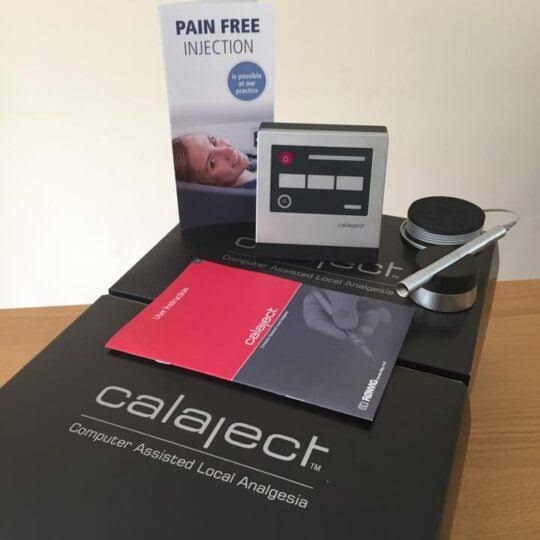
- Calaject: computer-controlled delivery for classic anaesthetic techniques.
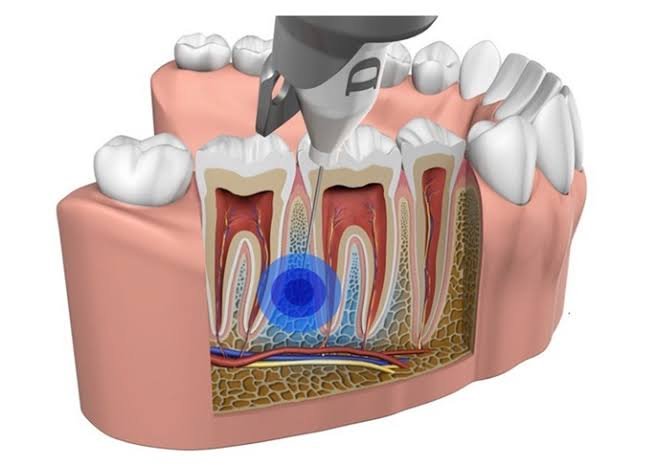
- QuickSleeper: for deeper anaesthesia directly in the jawbone, often without the numb lip or cheek afterwards.
Ask us which option suits your treatment, especially if you are nervous about injections.
How Calaject works
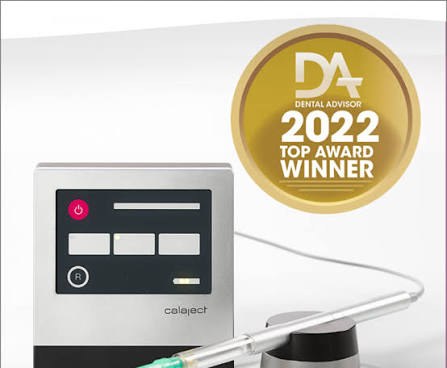
Calaject replaces the classic syringe with a slim, pen-like handpiece connected to a computer-controlled unit. The anaesthetic flows slowly and at a constant, carefully controlled pressure, which is what usually makes an injection hurt. Pre-set programmes adapt the flow to the area being numbed, including the sensitive palate. Because the handpiece looks like a pen rather than a syringe, many anxious patients also find it reassuring.
How QuickSleeper works
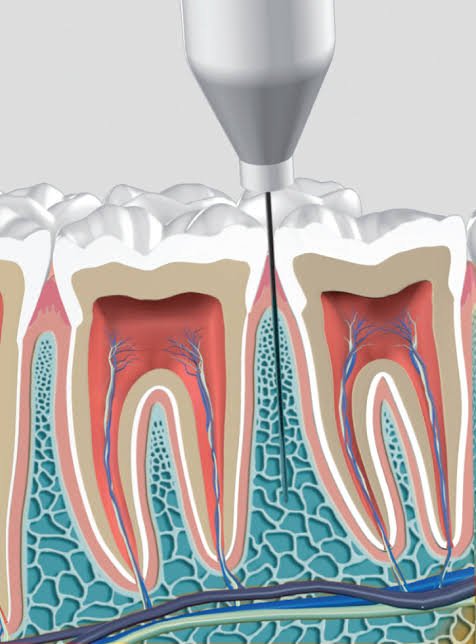
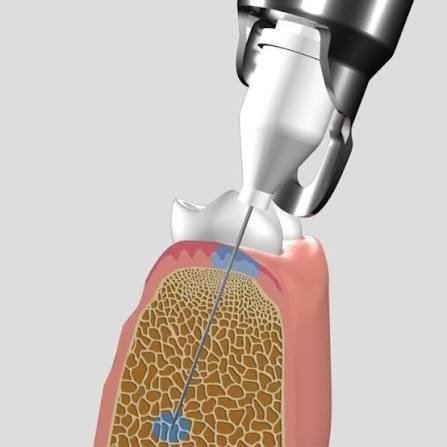
With QuickSleeper, a very fine needle passes gently through the gum into the bone between the tooth roots. The anaesthetic is released slowly and under electronic control, right next to the tooth that needs treatment. It takes effect within seconds, and usually only the treated area becomes numb, so you can talk, eat and drink normally soon afterwards.
Related treatments
Check-ups & prevention
A thorough check every six months to keep your teeth, gums and jaw healthy and catch problems early.
Learn more →Anxious patients
Afraid of the dentist? We take extra time, explain everything and let you stay in control.
Learn more →Children's dentistry
Friendly first visits from age two, so children learn there is nothing to fear.
Learn more →